Commercial HVAC Maintenance Checklist for Facility Managers
A good checklist turns commercial HVAC maintenance from a vague to-do into a routine you can count on. If you manage a facility in Honolulu, HI, you already juggle systems, budgets, and tenant needs. A clear task list helps every visit deliver consistent results. In this guide, we walk you through the core quarterly and annual tasks, explain what each one protects, and show you how to record your findings so your next visit starts with better information.
Why a Written Checklist Matters
A written checklist does three important things for you. First, it tells your technician exactly what to check. Second, it builds a consistent record of your system's condition over time. Third, it helps your team spot patterns that could point to a bigger problem. Without a list, it's easy for routine visits to focus on the equipment you can see while less obvious parts slip through unchecked.
A checklist can also help you plan your budget. When you inspect the same components on a fixed schedule, you can plan replacements before a part fails and costs climb. Over time, your maintenance list becomes a practical tool for both daily operations and long-term capital planning.
Quarterly Tasks
Quarterly tasks focus on the parts that wear fastest and have the biggest effect on air quality and energy use. Start with the air filters. Check their condition and, if your system has gauges, measure the pressure drop across them. Replace filters on the manufacturer's schedule, or sooner if the readings show they are restricting airflow. Dirty filters strain your fans, reduce capacity, and can let debris reach the coils.
Next, take a close look at the coils. Look for dirt, bent fins, and biological growth on both the evaporator and condenser coils. Clean them when they are fouled, using a method the manufacturer approves. Clean coils let your system move heat more efficiently, which means better comfort and lower energy use.
Don't forget the condensate drains and pans. Make sure water drains freely, the drain lines are clear, and the pan has no standing water or corrosion. In Honolulu's humid coastal air, a blocked drain can quickly lead to water damage and microbial growth, so this is one of the most important quarterly checks you can make.
Finally, review your control settings and any building automation data. Confirm that setpoints, schedules, and occupancy settings match how the space is actually used. Note any alarms, unusual run times, or temperature readings that drift from design targets.
Annual Tasks
Annual tasks go deeper into the equipment and its supporting components. Start with belts and pulleys. Inspect belts for cracks, glazing, and fraying, check tension, and confirm that pulleys are aligned. A worn belt can slip under load, reducing airflow and creating noise you'll notice.
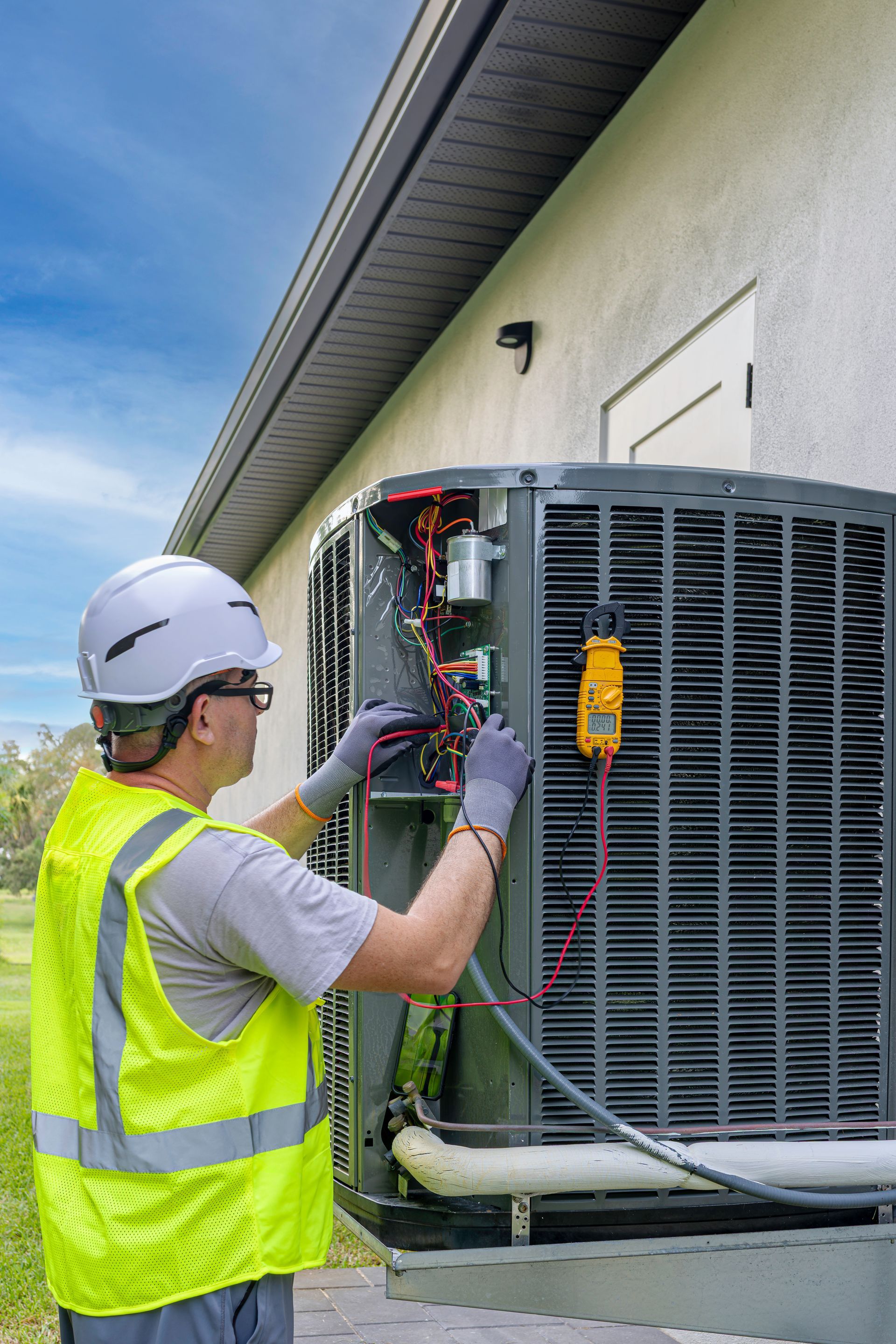
Next, test the electrical components. Check contactors, capacitors, and wiring connections for signs of wear, overheating, or loose terminals. Make sure motor amperage falls within the nameplate range. These checks can catch problems that would otherwise show up as sudden breakdowns.
Inspect the refrigerant circuit and the performance data. A licensed technician should check the refrigerant charge, look for leaks, and compare current pressures and temperatures with design conditions. Record the readings so future visits can spot gradual changes in performance.
Review the ductwork, dampers, and air distribution. Look for leaks, disconnected sections, damaged insulation, and blocked returns. Confirm that dampers move freely and that the airflow in each zone matches the design. Poor distribution can leave some rooms uncomfortable even when the equipment runs well.
Verify the safety controls and the thermostats or sensors that feed the building automation system. Test the safeties, confirm that alarms reach the right people, and check that sensors read accurately against a reference instrument.
Document Every Visit
A checklist is only as useful as the records it creates. For each task, note the date, the technician's name, the reading or condition found, and any action you took. Attach photographs of significant findings when they help explain the problem. Keep records in a central file or maintenance system so anyone on your team can review the history.
Good records also make compliance and insurance easier. When an inspector, auditor, or insurer asks for proof of maintenance, a complete log lets you answer quickly.
How often should I replace my commercial HVAC filters?
Start with the manufacturer's schedule, then adjust it to your building's conditions. A dusty site or a heavily used space may need more frequent changes. Pressure readings across the filter can tell you when replacement is due, even if the calendar says otherwise.
Can my facility staff complete the checklist themselves?
Your staff can handle visual checks, filter changes, and logging. Refrigerant work, electrical testing, and detailed performance measurements should be left to a licensed technician. Clear roles keep everyone safe and your records reliable.
What should I do when a checklist item fails?
Record what you found, take any immediate safety step, and schedule a repair with a qualified technician. For urgent failures, you can count on Continental Mechanical Services, which offers 24/7 emergency service. Keep track of how often the same item fails, since repeated failures often point to a root cause that needs a longer-term fix.
Put the Checklist to Work
A consistent checklist gives your maintenance program a clear structure, from quarterly filter and coil checks to annual electrical and refrigerant reviews. Start with the tasks above, tailor them to the equipment in your building, and keep detailed records. If you'd like a hand building a maintenance program for your Honolulu, HI facility, reach out to Continental Mechanical Services at (808) 846-4211 or explore the commercial HVAC services we offer. Contact us to request a consultation.
Recent Posts